
Dandruff, Stress & Sleep: The Hidden Lifestyle Triggers Affecting Your Scalp
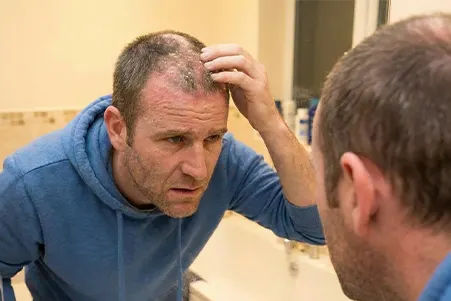
If you deal with recurring dandruff, you may notice a familiar pattern. Flakes seem to appear during stressful weeks, after poor sleep, or when the weather changes. While dandruff often feels like a surface-level scalp issue, it is closely linked to everyday lifestyle factors that affect scalp balance over time.
Stress, sleep habits, and environmental conditions can quietly influence how your scalp behaves. Understanding these connections helps explain why dandruff can flare up unexpectedly and why it sometimes returns even when you follow a regular hair care routine.
How Stress Disrupts Scalp Balance and Triggers Dandruff
Stress does not only affect your mood. It also influences how your skin and scalp function. During stressful periods, the body releases stress hormones that can disturb the scalp’s natural balance. This may lead to increased oil production, irritation, or sensitivity.
When the scalp produces excess oil, it creates an environment where flakes become more noticeable. Stress can also weaken the scalp’s natural defence, making it more reactive to everyday triggers like pollution or weather changes. This explains why dandruff often worsens during emotionally demanding or physically exhausting phases.
Key takeaways:
● Stress can disrupt the scalp’s natural balance.
● Increased oiliness makes flakes more visible.
● A stressed scalp becomes more sensitive and reactive.
Why Dandruff Flares Up During Stressful Periods
Many people notice dandruff returning during exams, deadlines, travel, or personal challenges. This happens because stress affects daily habits as well. Sleep patterns change, hydration drops, and hair care routines become inconsistent.
Together, these factors create a cycle where the scalp struggles to regulate itself. Flakes may appear more suddenly, along with itching or tightness. Even if you already use an anti-dandruff shampoo, irregular use during stressful times may reduce its effectiveness.
Key takeaways:
● Stress alters daily routines that support scalp health.
● Inconsistent hair care can worsen flakes.
● Stress-related flare-ups often feel sudden and intense.
The Link Between Poor Sleep and Scalp Health
Sleep plays a key role in skin renewal, including the scalp. When you do not get enough rest, the scalp has less time to repair itself. This can lead to dryness, irritation, and uneven oil distribution.
Poor sleep may also increase inflammation in the body, which can show up as scalp itching or flaking. If your dandruff seems worse after late nights or irregular sleep schedules, sleep quality may be part of the reason.
Key takeaways:
● Sleep supports natural scalp repair.
● Lack of sleep can increase irritation and flakes.
● Irregular sleep patterns affect oil balance.
Why Flakes Feel Worse When You Don’t Sleep Enough
When sleep deprivation continues, the scalp may feel tight, itchy, or uncomfortable. Scratching becomes more common, which further irritates the scalp and makes flakes more visible on hair and clothing.
This explains why dandruff can feel harder to manage during long workdays or periods of poor rest. Addressing sleep habits alongside hair care can make a noticeable difference in scalp comfort.
Key takeaways:
● Sleep deprivation increases scalp discomfort.
● Scratching worsens flaking and irritation.
● Rest supports overall scalp resilience.
Seasonal Changes and Their Impact on Dandruff
Weather plays a subtle but important role in dandruff patterns. In winter, cold air and indoor heating can dry out the scalp, leading to visible flakes and tightness. Reduced moisture in the air often worsens dryness-related dandruff.
In contrast, hot and humid weather may increase sweating and oil production. This can lead to scalp itching and heavier flakes, especially if sweat remains trapped for long periods.
Key takeaways:
● Cold weather dries out the scalp.
● Humid weather increases oil and sweat.
● Seasonal changes can trigger flare-ups.
Why Dandruff Keeps Coming Back Despite Using Anti-Dandruff Shampoo
If dandruff returns even after regular washing, lifestyle factors may be undermining your efforts. Stress, lack of sleep, and environmental exposure can all interfere with how well your scalp responds to treatment.
Consistency matters. Using an anti-dandruff product regularly helps maintain scalp balance, especially during unavoidable lifestyle stress. Some people find added comfort from formulations that combine cleansing with conditioning, as this supports both flake control and scalp comfort without over-drying.
Head & Shoulders Cool Menthol Shampoo + Conditioner fits easily into a regular routine by offering anti-dandruff care with conditioning benefits in one step. The cooling menthol leaves the scalp feeling refreshed, which can be especially comforting during stressful or humid days.
Key takeaways:
-
● Lifestyle triggers can reduce treatment effectiveness.
● Consistency helps maintain scalp balance.
● Comfort-focused formulas support daily use.
Managing Dandruff Through Lifestyle Awareness
While stress and sleep challenges are not always avoidable, recognising their impact empowers you to manage dandruff more effectively. Supporting your scalp with regular care, maintaining sleep routines where possible, and adapting to seasonal changes can reduce flare-ups over time.
Dandruff management works best when hair care fits naturally into everyday life, even during demanding periods. Small, consistent habits often make the biggest difference.
Key takeaways:
● Stress and poor sleep disrupt scalp balance.
● Environmental changes influence flaking and itch.
● Regular, supportive scalp care helps manage dandruff long term.
Final Thoughts
Dandruff is often influenced by everyday lifestyle factors such as stress, sleep patterns, and changing weather. While these triggers are not always avoidable, understanding their impact helps you manage flakes more effectively. A consistent scalp care routine, paired with mindful lifestyle habits, supports long-term scalp balance and keeps dandruff under control, even during demanding or unpredictable periods.
FAQs
Can stress really make dandruff worse?
Yes. Stress can disrupt the scalp’s natural balance by increasing oil production and sensitivity. This creates conditions where flakes become more noticeable and itching may worsen.
Why does my dandruff flare up during stressful periods?
Stress often affects sleep, hydration, and daily routines. These changes can weaken the scalp’s ability to regulate oil and repair itself, leading to sudden dandruff flare-ups.
Can lack of sleep cause dandruff or make it worse?
Lack of sleep can make dandruff worse. Sleep supports skin renewal, and when rest is insufficient, the scalp may become dry, irritated, or inflamed.
Why does my scalp get more flaky when I don’t sleep enough?
Poor sleep reduces the scalp’s recovery time. This can lead to tightness, itch, and uneven oil distribution, making flakes more visible.
Why does dandruff get worse in winter or cold weather?
Cold air and indoor heating reduce moisture in the scalp. This dryness can lead to flaking, tightness, and increased discomfort during winter months.
Does hot or humid weather increase dandruff and scalp itching?
Yes. Heat and humidity can increase sweating and oil production on the scalp. When sweat and oil build up, itching and dandruff may become more noticeable.
Why does my dandruff keep coming back despite using anti-dandruff shampoo?
Recurring dandruff often links to lifestyle triggers like stress, poor sleep, and environmental changes. Inconsistent use or skipping care during busy periods can also reduce results.