
Seborrheic Dermatitis and Psoriasis: What's the Difference?
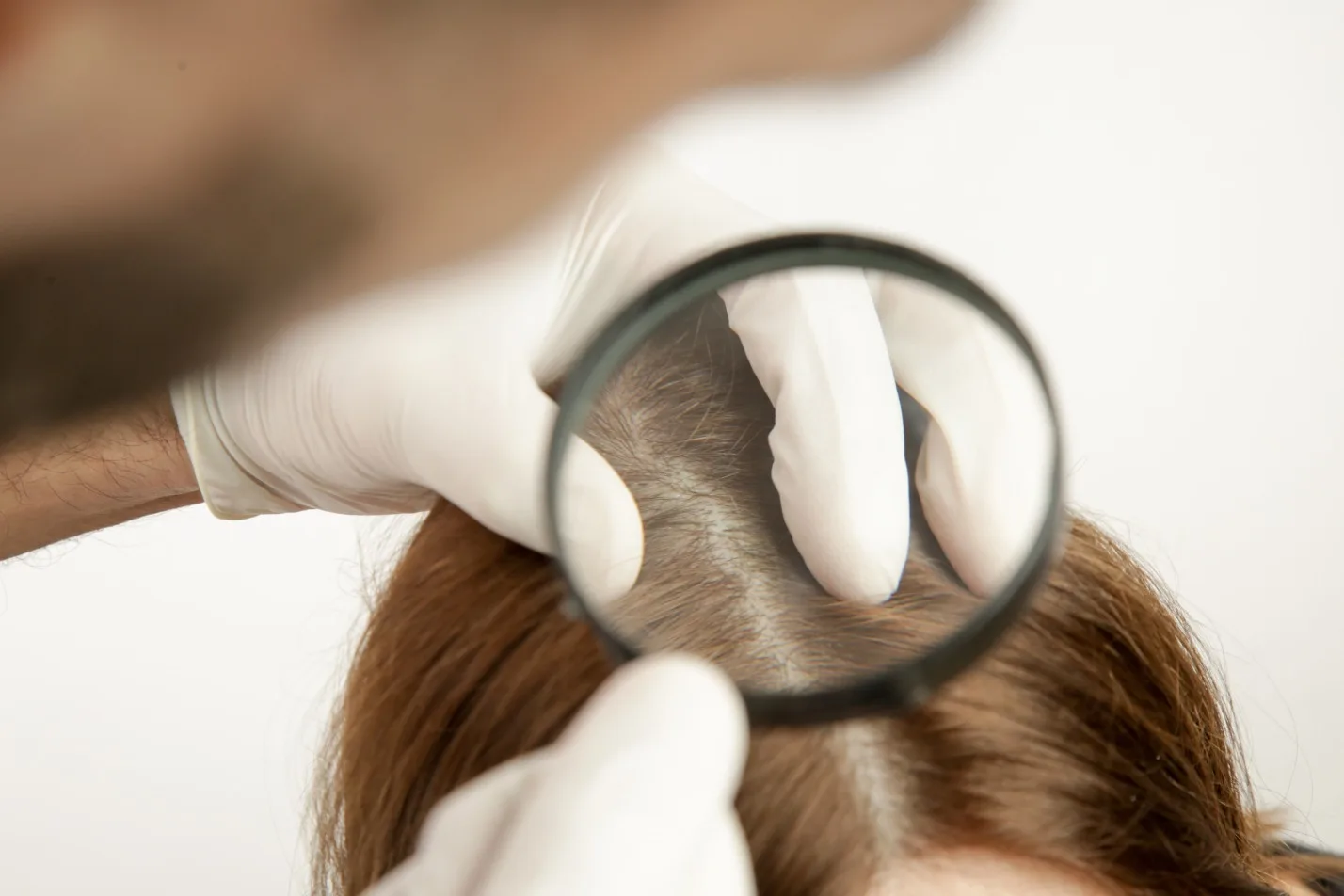
Introduction: Scalp conditions like psoriasis and eczema can often be perplexing, especially for those dealing with persistent itching, redness, and flaking. In this article, we'll delve into the distinctions between two common scalp conditions – Scalp Psoriasis and Seborrheic Dermatitis , also known as Scalp Eczema. Recognizing these differences is crucial for effective management and treatment.
Common Areas Affected on the Scalp
Scalp Psoriasis vs Seborrheic Dermatitis (Scalp Eczema)
What Factors Trigger These Conditions: Scalp Psoriasis
Is There a Typical Age for the Onset of These Conditions
Common Areas Affected on the Scalp:
Both scalp psoriasis and seborrheic dermatitis share common areas on the scalp where symptoms typically appear. These include the hairline, behind the ears, and the neck. Understanding the specific locations of these symptoms aids in distinguishing between the two conditions.
Scalp Psoriasis vs Seborrheic Dermatitis (Scalp Eczema):
A. The Differences in Appearance:
Scalp Psoriasis: This condition is characterized by raised, red patches with a silvery-white coating of scales. The lesions are well-defined and often have a symmetrical appearance on the scalp.
Seborrheic Dermatitis: Scalp eczema, on the other hand, presents as greasy, yellowish scales with a reddened base. The affected areas may be accompanied by dandruff , and the margins of the affected skin may not be as sharply defined as in psoriasis.
B. How Psoriasis and Seborrheic Dermatitis Feel Different:
Scalp Psoriasis: Individuals with scalp psoriasis commonly experience an itchy scalp , burning sensation on the affected areas. The skin may feel tight, and scratching can lead to bleeding.
Seborrheic Dermatitis: Scalp eczema is often associated with intense itching, and the affected areas may feel moist due to the accumulation of oils. However, scratching may result in a more oily scalp texture compared to psoriasis.
What Factors Trigger These Conditions: Scalp Psoriasis:
Scalp Psoriasis:
• Genetics: Family history plays a significant role in predisposing individuals to scalp psoriasis. Research suggests that certain genetic factors increase susceptibility to psoriasis, and individuals with a family history of the condition are at a higher risk of developing it themselves. Genetic predisposition influences how the immune system responds, leading to the characteristic inflammation and rapid skin cell turnover seen in psoriasis.
• Stress: Psychological stress is a well-known trigger for psoriasis flare-ups. Stress can disrupt the immune system and trigger inflammatory responses, exacerbating existing psoriasis symptoms or causing new outbreaks. Managing stress through relaxation techniques, mindfulness practices, and stress-reducing activities can help minimize the impact of stress on scalp psoriasis.
• Infections: Certain infections, particularly streptococcal infections like strep throat, can trigger or exacerbate psoriasis flare-ups. The body's immune response to infections can stimulate the production of inflammatory cytokines, worsening inflammation and skin cell turnover in individuals with psoriasis. Prompt treatment of infections and good hygiene practices can help reduce the risk of infection-related psoriasis flare-ups.
• Cold Weather: Cold, dry weather conditions can worsen scalp psoriasis symptoms for some individuals. Exposure to cold temperatures and low humidity levels can cause the skin to become dry and irritated, leading to increased itching, flaking, and inflammation in people with psoriasis. Protecting the scalp from extreme cold and using moisturizing treatments during the winter months can help alleviate symptoms.
• Certain Medications: Certain medications, such as lithium (used to treat bipolar disorder), beta-blockers (used to treat high blood pressure), and antimalarial drugs, can trigger or worsen psoriasis symptoms in some individuals. These medications may disrupt immune function or interfere with skin cell turnover, leading to psoriasis flare-ups. It's essential for individuals with psoriasis to discuss potential triggers with their healthcare provider when starting new medications.
Seborrheic Dermatitis:
• Overactive Oil Glands: Seborrheic dermatitis is often associated with overactive oil glands, leading to excessive production of sebum (skin oil). The presence of excess oil on the scalp can create an environment conducive to yeast overgrowth and inflammation, triggering or exacerbating seborrheic dermatitis symptoms. Proper scalp hygiene and using oil-balancing hair care products can help manage this trigger.
• Yeast Overgrowth: Malassezia, a type of yeast that naturally inhabits the skin, is often implicated in seborrheic dermatitis. An overgrowth of Malassezia on the scalp can lead to inflammation and irritation, resulting in symptoms such as itching, scalp redness , and flaking. Factors such as humidity, sweating, and poor hygiene can contribute to yeast proliferation, exacerbating seborrheic dermatitis symptoms.
• Hormonal Changes: Hormonal fluctuations, such as those occurring during puberty, pregnancy, or menopause, can influence sebum production and skin cell turnover, making individuals more susceptible to seborrheic dermatitis flare-ups. Hormonal imbalances can alter the skin's natural barrier function and immune response, leading to increased sensitivity and inflammation on the scalp. Managing hormonal fluctuations through lifestyle modifications and hormone-regulating therapies can help mitigate this trigger.
• Stress: Like psoriasis, stress can also exacerbate seborrheic dermatitis symptoms. Stress triggers the release of stress hormones, such as cortisol, which can disrupt the skin's barrier function and immune response, leading to inflammation and flare-ups of seborrheic dermatitis.
Is There a Typical Age for the Onset of These Conditions?
Scalp Psoriasis: Psoriasis can manifest at any age, but it often appears between the ages of 15 and 35. It can also occur in children and older adults.
Seborrheic Dermatitis: Scalp eczema is most common in infants (cradle cap), but it can affect individuals of any age. It often peaks during puberty and middle age.
Associated Health Conditions:
Both scalp psoriasis and seborrheic dermatitis are associated with certain health conditions. Psoriasis, for instance, has links to autoimmune disorders like rheumatoid arthritis, while seborrheic dermatitis is often seen in individuals with compromised immune systems.
How Scalp Psoriasis and Scalp Eczema Can Be Treated:
While this article provides an overview of the differences, it's crucial to seek professional advice for an accurate diagnosis and tailored treatment plan. In the meantime, products like Head & Shoulders can offer relief by addressing common symptoms associated with both conditions.
In conclusion, distinguishing between scalp psoriasis and seborrheic dermatitis is essential for effective management. Understanding the visual and sensory differences, triggers, typical age of onset, and associated health conditions can guide individuals in seeking appropriate care. Whether dealing with the persistent scales of psoriasis or the oily, itchy patches of seborrheic dermatitis, consulting a healthcare professional ensures a proper diagnosis and personalized treatment plan.