
Best Dermatologist-Recommended Shampoos for Itchy Scalp (2026 Guide)
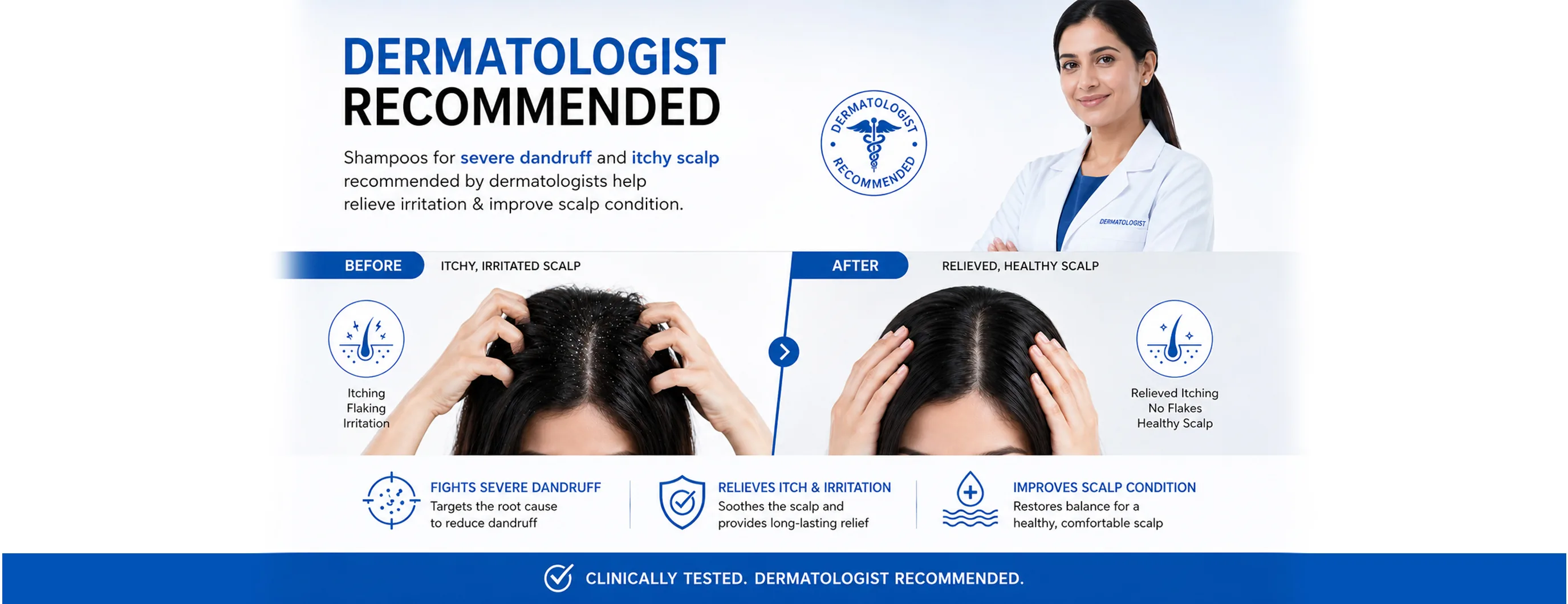
An itchy scalp can feel distracting, uncomfortable, and sometimes embarrassing. The urge to scratch often appears suddenly and may continue throughout the day, especially when flakes, dryness, and irritation are present. Many people assume the problem comes only from dandruff, but dermatologists explain that several scalp conditions can trigger persistent itching.
In 2026, scalp care has become more ingredient-focused. Dermatologists now encourage people to look beyond fragrance and instead choose shampoos based on scalp health. The right formula helps calm irritation, control flakes, and restore balance without stripping the scalp.
Why Your Scalp Itches So Much
Scalp itching rarely happens without a clear reason. Dermatologists explain that itching usually indicates irritation, inflammation, or an imbalance on the scalp surface. Everyday habits, environmental factors, and certain hair products can all affect scalp health. Understanding the common causes helps you choose the right shampoo and care routine to reduce irritation and keep the scalp comfortable.
Common Causes of Scalp Itchiness
● Dandruff caused by fungal overgrowth: One of the most frequent causes of itching is dandruff. It occurs when a naturally present yeast called Malassezia grows too quickly on the scalp. This imbalance can lead to flakes, redness, and persistent itching.
● Dry scalp and moisture loss: Changes in weather, frequent hot showers, and harsh shampoos can strip the scalp of its natural oils. When the scalp becomes too dry, it often feels tight and itchy.
● Product build-up on the scalp: Styling products, conditioners, and even certain shampoos can leave residue behind. Over time, this build-up may clog hair follicles and irritate the scalp, leading to itching and discomfort.
● Sensitivity to strong ingredients or fragrances Some scalps react more strongly to artificial fragrances, dyes, or harsh cleansing agents in shampoos. These ingredients can cause irritation, redness, and itchiness even after a single use.
Key Takeaway
● Dandruff caused by fungal overgrowth is a leading cause of itchy scalp.
● Dry scalp and moisture loss often trigger irritation.
● Product build-up may block follicles and cause itching.
● Sensitive scalps react to strong ingredients or fragrances.
What Dermatologists Look for in an Itchy Scalp Shampoo
Dermatologists recommend focusing on clinically proven active ingredients. The best shampoos for an itchy scalp help control dandruff-causing microbes, reduce inflammation, remove flakes and buildup, and support the scalp barrier. Together, these ingredients help restore a healthy scalp environment and provide lasting relief from itchiness.
1. Selenium Sulfide
Best for: Persistent severe dandruff, itching, and scalp irritation
Selenium sulfide is one of the most widely recommended anti-dandruff ingredients for itchy scalp. It works by helping control the growth of Malassezia, the yeast strongly associated with dandruff and seborrheic dermatitis. It also slows excessive scalp cell turnover, reducing visible flakes and irritation.
Many dermatologists favour selenium sulfide because it addresses both flaking and the underlying scalp imbalance that often drives itching.
Benefits:
● Targets severe dandruff-related itching
● Helps control Malassezia overgrowth
● Reduces visible flakes
● Helps calm scalp irritation
● Suitable for ongoing dandruff management
2. Piroctone Olamine
Best for: Itchy scalp with mild-to-moderate dandruff
Piroctone olamine has gained increasing attention among dermatologists because of its ability to control dandruff-causing microorganisms while being gentle on the scalp. Unlike some stronger medicated treatments, piroctone olamine is often well tolerated for regular use and can help reduce itching, flaking, and scalp discomfort without excessive dryness.
Benefits:
● Helps reduce dandruff-related itching
● Supports a healthier scalp microbiome
● Gentle enough for frequent use
● Helps improve scalp comfort
● Suitable for sensitive scalps
3. Ketoconazole
Best for: moderate dandruff and itching
Ketoconazole is an antifungal ingredient commonly recommended when dandruff symptoms become persistent or difficult to control. It directly targets fungal overgrowth and is frequently used in medicated anti-dandruff shampoos.
Benefits:
● Strong antifungal action
● Effective against stubborn dandruff
● Helps reduce inflammation and itching
● Often recommended for severe flare-ups
4. Salicylic Acid
Best for: Scalp buildup and thick flakes
Sometimes the itch is caused by layers of dead skin and product residue accumulating on the scalp. Salicylic acid acts as an exfoliating ingredient that helps loosen and remove these scales. By clearing away buildup, it allows other treatment ingredients to work more effectively.
Benefits
● Exfoliates dead skin cells
● Helps remove stubborn flakes
● Reduces scalp buildup
● Improves scalp cleanliness
5. Soothing Ingredients
Best for: Sensitive, irritated, or dry scalp
Not all itching is caused by dandruff. In many cases, scalp sensitivity and barrier damage play a role.
Dermatologists often recommend shampoos containing soothing ingredients such as:
● Aloe vera
● Tea tree oil
● Glycerin
● Hydrating botanical extracts
These ingredients help reduce discomfort while supporting the scalp's natural moisture barrier.
Key Takeaway
● Choose shampoos with clinically proven actives that target the root causes of itching, including dandruff, inflammation, and scalp buildup.
● The best itchy scalp shampoos combine anti-dandruff actives with scalp-supporting ingredients.
Shampoos Experts Recommend for Itchy Scalp Relief
Dermatologists often recommend anti-dandruff shampoos for itchy scalp because they help address one of the most common underlying causes: the overgrowth of Malassezia, a yeast linked to dandruff, flakes, and irritation. With regular use, these shampoos can help restore scalp balance and reduce persistent itching.
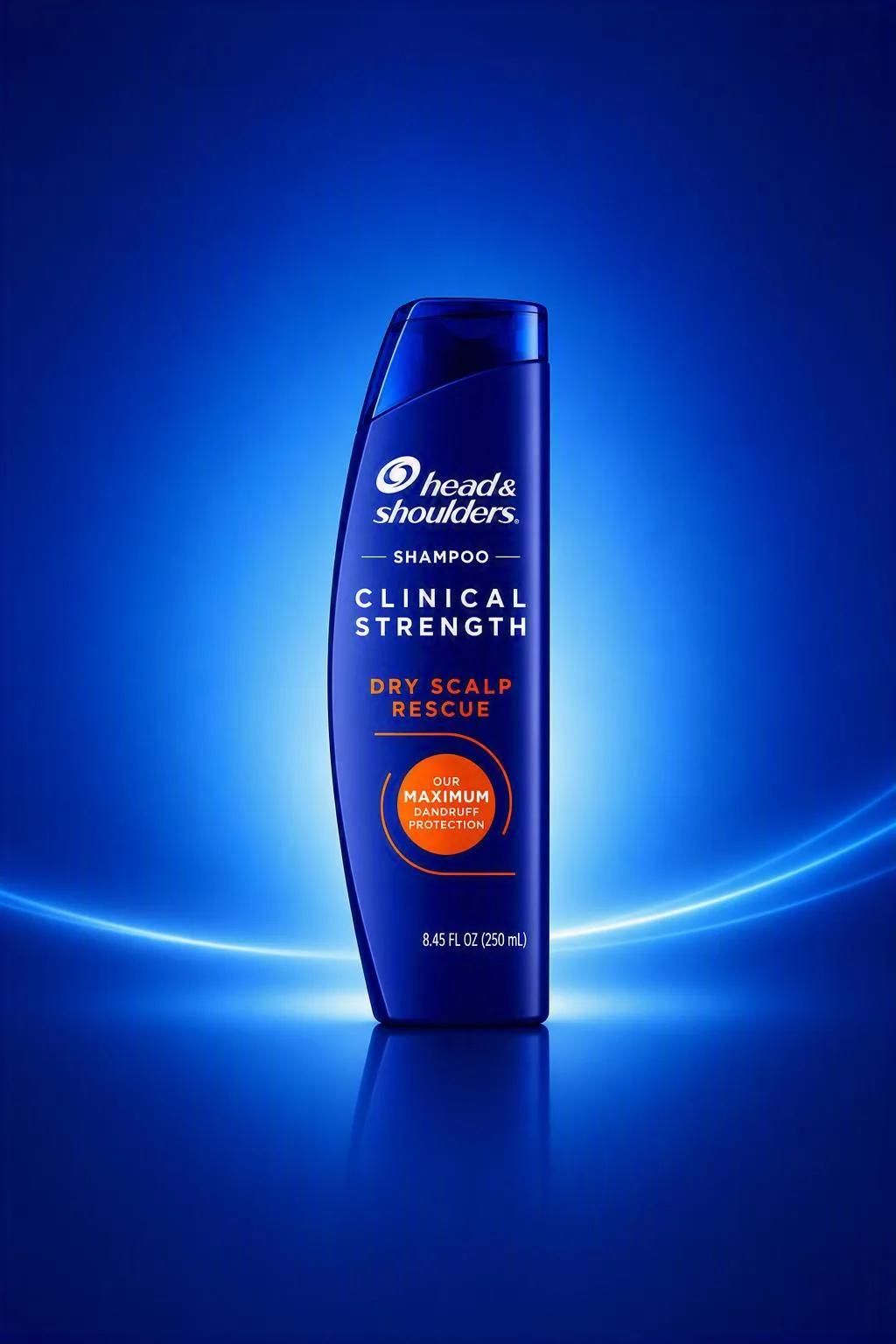
One option commonly recommended by dermatologists for stubborn dandruff related itch is Head & Shoulders Clinical Strength Cooling Itch Relief Shampoo.Powered by 1% Selenium Sulfide, it targets Malassezia, the main cause of dandruff, helping break the cycle of stubborn dandruff at the source. Recognised as a Dermatologist’s No.1 Choice, its clinical strength formula is 4X stronger than regular anti dandruff shampoos, delivers more dandruff fighting power, and starts working up to 2X faster against the main cause of dandruff. Its enhanced deposition technology helps deliver 1.5X more Selenium Sulfide on the scalp, enabling effective dandruff control while helping maintain the scalp barrier. The formula can help provide a dandruff free scalp from the first wash, while conditioning agents keep hair soft and smooth after every wash. For those dealing with persistent flakes, itch, and recurring dandruff, it offers powerful yet gentle protection that is suitable for regular use.
Key Takeaway
● Dandruff-related scalp itch is often linked to Malassezia overgrowth, making anti-dandruff shampoos an effective first-line solution.
● 1% Selenium Sulfide helps tackle stubborn dandruff at the source, reducing flakes, itch, and recurring scalp irritation.
● Clinical-strength formulas can deliver faster relief, helping break the cycle of persistent dandruff and itchy scalp.
How to Use Anti-Dandruff Shampoo for Long-Term Relief
Even the best shampoo will not work effectively if used incorrectly. Dermatologists often advise leaving anti-dandruff shampoo on the scalp for at least one to two minutes before rinsing. This allows active ingredients to work properly.
Regular washing is also important. Some people avoid washing frequently when itching begins, but this can allow oil and yeast to build up further. When using treatment shampoos, alternating them with gentle shampoo options helps maintain moisture and prevents dryness.
Scalp massage during washing can also improve circulation and help ingredients reach the scalp surface more effectively.
Key Takeaway
● Leave shampoo on the scalp briefly before rinsing. Wash frequently to prevent oil and yeast build-up.
● Alternate medicated and gentle shampoos for balance. Massage the scalp gently during washing.
When Should You Consult a Dermatologist?
Occasional itching usually improves with the right shampoo routine. However, persistent itching, redness, or thick scaling may require medical attention.
Conditions such as seborrhoeic dermatitis, psoriasis, or fungal infections can cause intense itching that does not improve with regular shampoos. A dermatologist can diagnose the condition and recommend targeted treatments.
Seeking help early often prevents the problem from worsening and helps restore scalp comfort faster.
Key Takeaway
● Persistent itching may signal an underlying scalp condition.
● Psoriasis or seborrhoeic dermatitis can require medical treatment.
● Dermatologists can recommend stronger medicated solutions.
● Early treatment helps restore scalp balance sooner.
Conclusion
An itchy scalp can disrupt everyday comfort, but the right shampoo routine often provides relief. Dermatologists emphasise treating the root cause rather than masking symptoms. Choosing shampoos with proven anti-dandruff ingredients, avoiding harsh chemicals, and following a consistent routine can make a noticeable difference.
As scalp care continues to evolve in 2026, ingredient-focused formulas and gentle cleansing approaches remain the most effective path toward a healthier, calmer scalp. When the scalp stays balanced, itching reduces naturally, allowing hair to feel fresher, cleaner, and more comfortable every day.
FAQs
1. What is the best shampoo ingredient for an itchy scalp?
Selenium sulfide and piroctone olamine are among the most commonly recommended ingredients for itchy scalp caused by dandruff. They help control the growth of Malassezia, the yeast associated with dandruff, while reducing scalp irritation and flakes.
2. Why is my scalp itchy even after washing my hair?
An itchy scalp after washing may be caused by dandruff, product sensitivity, dry scalp, or residue from hair care products. In some cases, harsh shampoos can strip natural oils and worsen scalp irritation.
3. How do I stop my scalp from itching immediately?
For quick relief, use a shampoo designed for itchy scalp, avoid scratching, rinse thoroughly to remove product buildup, and use lukewarm instead of hot water. Consistent treatment is usually needed for long-term relief.
4. How often should I wash my hair if I have an itchy scalp?
Most dermatologists recommend washing regularly to prevent excess oil, yeast, and product buildup. The ideal frequency depends on your hair type and scalp condition, but many people benefit from using an anti-dandruff shampoo two to three times per week.
5. Is selenium sulfide good for an itchy scalp?
Yes. Selenium sulfide is one of the most effective ingredients for dandruff-related itching. It helps control Malassezia overgrowth, reduce flakes, and calm scalp irritation, making it a common dermatologist recommendation for persistent itchy scalp concerns.