
How to Treat Heavy Dandruff and Choose the Right Shampoo for Your Scalp

Heavy dandruff can be difficult to manage when flakes keep returning, your scalp feels itchy, or your hair becomes oily soon after washing. While occasional flaking may improve with a suitable hair care routine, persistent dandruff often requires a more targeted approach. Understanding what causes it and choosing the right shampoo can help you manage visible flakes and keep your scalp comfortable.
What Causes Extreme Dandruff?
Dandruff develops when the scalp sheds dead skin cells more noticeably than usual. It is often associated with excess scalp oil and the activity of Malassezia, a yeast that naturally lives on the skin. Other factors, including individual scalp sensitivity, stress, and changes in weather, may contribute to flare ups.
Heavy dandruff may appear as persistent white or yellowish flakes, itching and visible scaling. An oily scalp can make the problem more noticeable, while scratching may irritate the skin further.
If flaking is severe, persists despite regular care, or occurs alongside redness, swelling or sores, consult a dermatologist. Similar symptoms can also occur with conditions such as seborrheic dermatitis, psoriasis, or eczema.
Key Takeaways
- Excess scalp oil, Malassezia activity, and individual scalp sensitivity can contribute to severe dandruff.
- Stress and weather changes may trigger flare ups in some people.
- Persistent flakes, itching, or inflammation may require a dermatologist’s assessment to identify the underlying cause.
How to Recognise Heavy or Persistent Dandruff
Occasional flakes may be manageable with a suitable hair care routine. However, dandruff that keeps returning or causes considerable discomfort may require a more targeted approach to excessive dandruff treatment and scalp care.
Common signs include:
- Visible flakes: White or yellowish flakes that appear on the scalp, hair or shoulders. - Persistent itching: An itchy scalp that makes you want to scratch frequently. - Recurring symptoms: Flaking that continues despite regular hair washing and appropriate scalp care. - Scalp irritation: Redness, soreness or discomfort alongside visible flakes.
These symptoms do not necessarily indicate one specific condition. If your scalp is very itchy, inflamed or unusually flaky, a dermatologist can help identify the underlying cause.
Key Takeaways
- Recurring white or yellowish flakes, persistent itching and visible scalp scaling are common signs of heavy dandruff.
- Flaking that continues despite regular washing may need a more targeted treatment approach.
- Redness, soreness or severe irritation should be assessed by a dermatologist.
How to Choose the Right Shampoo for Heavy Dandruff
The best shampoo for heavy dandruff depends on your scalp's needs, the severity of the flakes and how your scalp responds to different formulations. Consider the following factors before choosing one.
For Heavy Dandruff and Persistent Flakes
Look for a dermatologist-recommended shampoo containing anti-dandruff ingredients such as selenium sulfide or piroctone olamine to help manage persistent flakes and scalp concerns. Their suitability depends on the product, your symptoms, and any advice from a healthcare professional.
For an Oily Scalp
Excess oil can contribute to dandruff, making a shampoo designed for oily scalps a useful option. Choose a formulation that cleanses effectively without leaving your scalp feeling excessively dry or uncomfortable.
For an Itchy Scalp
If itching accompanies dandruff, consider an anti-dandruff shampoo formulated for your scalp concerns. Avoid products that cause additional irritation, and seek medical advice if itching is intense or continues despite appropriate care.
For Regular Scalp Maintenance
Once your symptoms improve, you may need to continue using an anti-dandruff shampoo to help prevent flakes from returning. Follow the product's recommended frequency rather than assuming that daily use is necessary for every formulation.
Key Takeaways
- Choose an anti-dandruff shampoo suited to your scalp type, symptoms and the severity of flaking.
- Ingredients such as selenium sulfide or piroctone olamine can help manage dandruff, depending on the formulation.
- Follow the product instructions for frequency and application, and consult a dermatologist if symptoms persist.
How Head & Shoulders Clinical Strength Can Help Manage Heavy Dandruff
When heavy dandruff keeps returning, choosing a shampoo with an effective anti-dandruff ingredient can help manage persistent flakes and scalp discomfort. Selenium sulfide is an active ingredient used to treat stubborn dandruff. It helps control dandruff causing microbes on the scalp, making it a useful option when regular anti dandruff shampoos do not provide sufficient relief.
The Head & Shoulders Clinical Strength range contains 1% selenium sulfide and is designed to address persistent dandruff. Both shampoos are formulated to fight the main cause of dandruff, but each targets a different scalp concern.
- For heavy dandruff with persistent itching: Head & Shoulders Clinical Strength Cooling Itch Relief contains 1% selenium sulfide and is designed to relieve stubborn dandruff and scalp itch. Its cooling sensation provides an additional benefit for those who find persistent itching particularly uncomfortable.
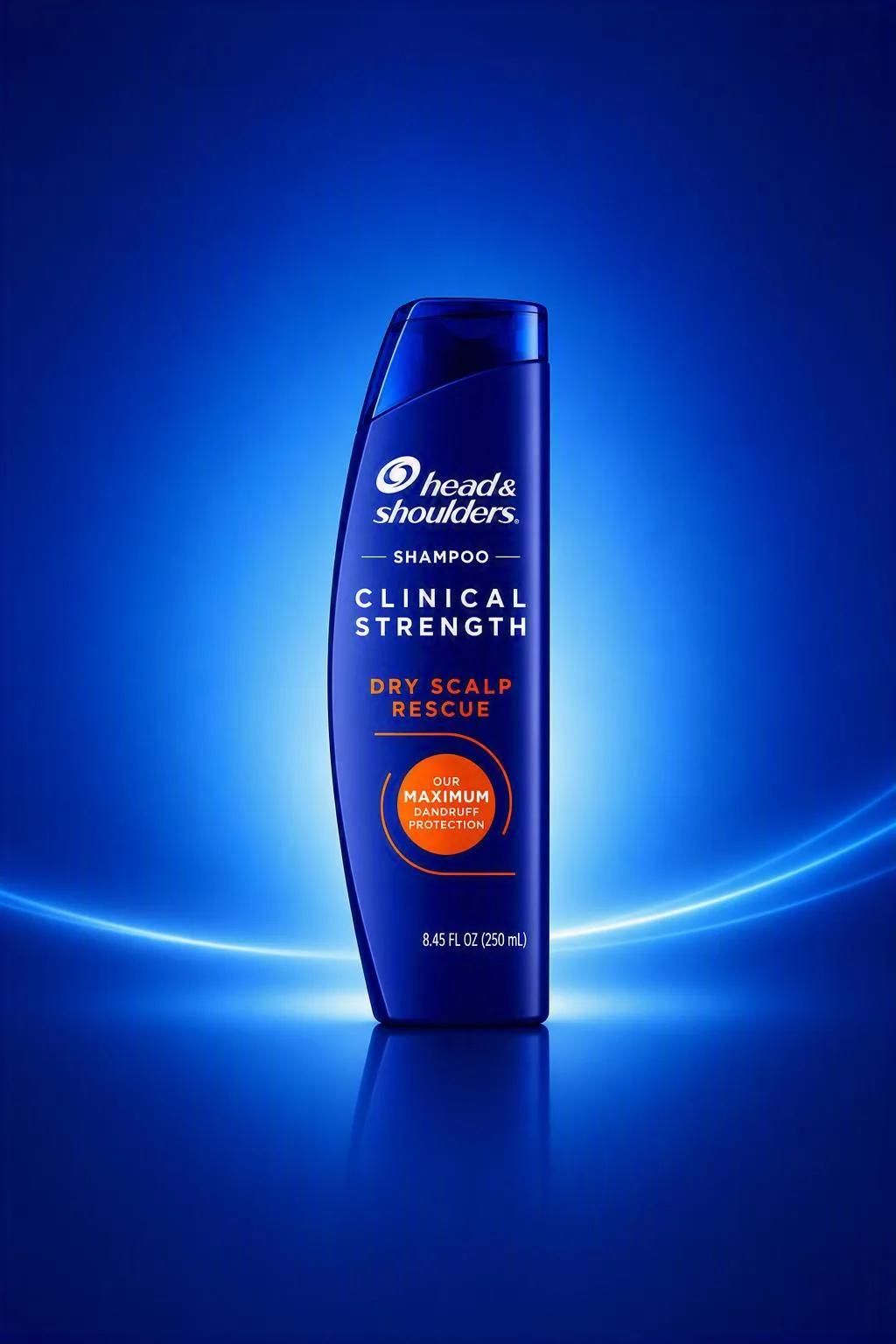
- For heavy dandruff with dryness and flaking: Head & Shoulders Clinical Strength Dry Scalp Rescue is formulated with 1% selenium sulfide. It helps to relieve severe dandruff and dryness, making it a suitable option when recurring flakes are accompanied by a dry, tight feeling on the scalp.
Choose the shampoo that best matches your primary scalp concern and follow the product label for use. If heavy dandruff, itching or dryness persists despite consistent care, consult a dermatologist to determine whether another treatment may be needed.
Key Takeaways
- Head & Shoulders Clinical Strength shampoos contain 1% selenium sulfide and are designed to address persistent dandruff.
- Clinical Strength Cooling Itch Relief is suited to those experiencing stubborn flakes with itching, while Dry Scalp Rescue targets dandruff accompanied by dryness.
- Choose the formulation that matches your scalp concerns and seek professional advice if symptoms do not improve.
Common Mistakes to Avoid When Treating Heavy Dandruff
Even when you use a suitable shampoo, certain habits may make scalp care less effective.
- Switching shampoos too frequently: Give a product time to work as directed before deciding whether it suits your needs. - Using too much shampoo: Follow the recommended quantity and application instructions instead of assuming that more product will deliver better results. - Ignoring the scalp: Focus on cleansing the scalp rather than concentrating only on the hair lengths. - Using harsh home remedies: Lemon juice, undiluted essential oils and other potentially irritating ingredients may aggravate a sensitive scalp. - Stopping treatment too soon: Dandruff can return after symptoms improve. Follow the maintenance instructions for your chosen product.
Key Takeaways
- Avoid switching shampoos too frequently or using more products than recommended.
- Focus on cleansing the scalp and avoid harsh home remedies that may cause irritation.
- Continue following the recommended treatment and maintenance routine, even when symptoms improve.
Conclusion
Treating heavy dandruff starts with understanding your scalp and choosing an anti-dandruff shampoo suited to your symptoms. Regular cleansing, following product instructions, and avoiding scalp irritation can help you manage persistent flakes. If dandruff remains severe or is accompanied by significant redness, soreness or other unusual symptoms, seek advice from a dermatologist rather than relying on shampoo alone.