
How Does Selenium Sulfide Target Malassezia, the Root Cause of Dandruff?
You've switched shampoos, skipped products, and washed more often, yet the flakes keep coming back. The reason may not be what you think.
Dandruff is rarely just a dry scalp. Living on your scalp right now is a microscopic fungus called Malassezia. It's harmless for many people, but in others, it feeds on scalp oil and leaves behind irritants that cause itching, redness, and flaking.
So how do you fight something that's a natural part of your skin? Selenium sulfide has been a dermatologist's favourite for decades because it works on two fronts: it curbs the yeast and calms the overactive skin renewal that creates flakes.
Here's how Malassezia triggers dandruff, what selenium sulfide does about it, and how to use it for the best results.
What Causes Dandruff?
Dandruff is commonly associated with Malassezia, a yeast that naturally lives on the skin, including the scalp. It is important to understand that Malassezia is not simply a harmful fungus that appears because of poor hygiene. It is part of the normal scalp microbiome.
The problem can arise when the scalp environment allows Malassezia to become more active or when the scalp reacts to its presence. Malassezia uses lipids found in scalp sebum as part of its growth process. This can contribute to changes in the scalp and trigger irritation in people who are more susceptible.
Several factors can influence dandruff, including:
- An oily scalp that provides more sebum for Malassezia
- Changes in the scalp microbiome
- Individual sensitivity to Malassezia
- Excess oil and dead skin cell build up
- Environmental conditions that affect the scalp
This means dandruff is not simply a matter of having a dry scalp. It can involve the interaction between the scalp, its natural oils, and microorganisms such as Malassezia.
Key Takeaways
- Malassezia is a natural part of the scalp microbiome and is commonly associated with dandruff.
- Excess scalp oil, changes in the scalp microbiome and individual sensitivity can contribute to dandruff.
- Dandruff is not simply caused by a dry scalp or poor hygiene.
What Is Selenium Sulfide?
Selenium sulfide is an active ingredient in anti-dandruff shampoos that targets the yeast behind flaking. Dandruff happens when Malassezia, a fungus living on your scalp, feeds on natural oil and irritates the skin, causing it to shed in white flakes. Selenium sulfide tackles this in two ways: it reduces the yeast, and it slows the fast skin cell turnover that creates flakes. It is available in 1% strength over the counter and 2.5% by prescription in many countries, and dermatologists have trusted it for decades.
Key Takeaways
- Selenium sulfide is an active ingredient used in anti-dandruff shampoos to control Malassezia.
- It helps manage dandruff by reducing yeast growth and slowing excessive skin cell shedding.
- It is available in different strengths depending on the product and country.
How Does Selenium Sulfide Work to Reduce Dandruff?
What makes Selenium Sulfide effective against stubborn dandruff? The answer lies in how it works on Malassezia, a yeast linked to dandruff. Understanding this process can help explain why Selenium Sulfide is used in anti-dandruff shampoos for managing persistent flakes and scalp concerns.
1. Direct Antifungal Action
Selenium sulfide is toxic to fungal cells. It is thought to interfere with the yeast's metabolism and cellular function, reducing its ability to grow and reproduce. With fewer viable Malassezia cells on the scalp, less sebum is broken down and fewer irritating fatty acids are produced.
2. Reducing the Fungal Population
Clinical use shows that regular application lowers the Malassezia load on the scalp. Because the yeast is the trigger for the inflammatory cycle, reducing its numbers addresses the cause of dandruff rather than only masking the flakes.
3. Slowing Skin Cell Turnover (Cytostatic Effect)
Selenium sulfide also slows the rate at which epidermal cells divide and shed. This reduces the volume of flakes produced and helps the scalp return to a more normal renewal cycle. This is a second mechanism that complements its antifungal action.
4. Removing Existing Flakes
Medicated shampoos also help loosen and wash away built-up scale, which relieves itching and improves the scalp's appearance while the antifungal effect takes hold.
Key Takeaways
- Selenium sulfide helps control Malassezia by interfering with fungal growth and cellular function.
- It also slows excessive skin cell turnover, helping reduce the amount of visible flaking.
- Medicated shampoos can help loosen and wash away existing scalp flakes while treatment takes effect.
Looking for a Selenium Sulfide Shampoo?
For persistent or severe dandruff, a shampoo formulated with Selenium Sulfide can help target Malassezia, the yeast associated with dandruff, while also helping manage excessive scalp flaking. It can be particularly relevant when regular anti dandruff shampoos are not providing enough control over recurring flakes.
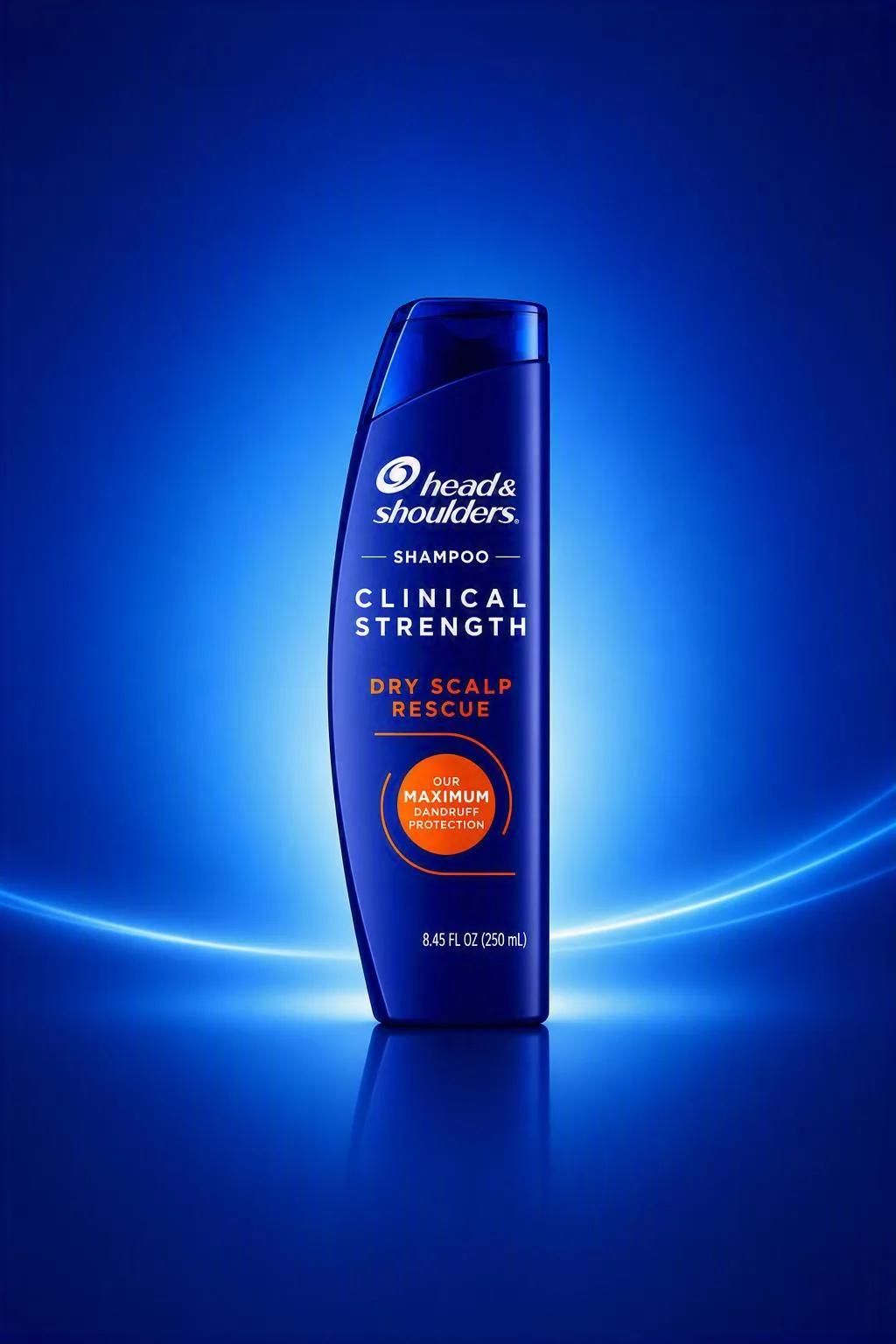
For severe dandruff, Head & Shoulders Clinical Strength shampoos can be considered as part of a targeted anti dandruff routine. Explore the Clinical Strength Cooling Itch Relief Shampoo and Clinical Strength Dry Scalp Rescue Shampoo based on your scalp needs.
Key Takeaways
- Selenium sulfide shampoo can be useful for persistent or severe dandruff associated with Malassezia.
- It can be considered when regular anti dandruff shampoos do not provide enough control over recurring flakes.
How to Use Selenium Sulfide Shampoo Effectively
- Frequency: Typically twice a week for the first couple of weeks, then once weekly or as needed for maintenance.
- Consistency: Dandruff tends to return if treatment stops, since Malassezia is a normal part of scalp flora and recolonises.
- Rinse well: Residue can irritate the scalp or affect hair colour.
Key Takeaways
- Consistent use is important because Malassezia naturally occurs on the scalp and dandruff can return.
- Rinse the shampoo thoroughly to minimise residue and potential scalp or hair irritation.
Possible Side Effects and Precautions
Selenium sulfide is generally safe when used as directed, but some users may experience:
- Scalp irritation, dryness, or burning
- Temporary oiliness or dryness of hair
- Discolouration of light, colour-treated, or chemically processed hair
- A noticeable odour
Practical precautions include:
- Avoid contact with the eyes and rinse immediately if it occurs. Wash hands after use.
- Avoid use on broken or severely inflamed skin.
- Take any jewellery off beforehand, as it can tarnish.
- Consult a doctor if you are pregnant or breastfeeding, or if symptoms do not improve after a few weeks.
Key Takeaways
- Selenium sulfide may cause scalp dryness, irritation, or burning in some people.
- It may affect light, colour-treated or chemically processed hair, so follow the product directions carefully.
- Avoid contact with the eyes and broken or severely inflamed skin and seek professional advice when needed.
When to See a Doctor
Persistent dandruff, intense itching, widespread redness, greasy yellow scaling, or hair loss may point to seborrheic dermatitis, psoriasis, or another scalp condition that needs professional evaluation.
Key Takeaways
- A dermatologist can help determine whether symptoms are related to dandruff, seborrheic dermatitis, psoriasis or another condition.
Conclusion
Malassezia naturally exists on the scalp, but changes in its activity and the scalp's response can contribute to dandruff. This is why targeting Malassezia can be an important part of dandruff management.
Selenium sulfide is an active ingredient that helps control Malassezia and regulate scalp skin shedding. When used as directed, selenium sulfide shampoo can be a targeted option for managing recurring dandruff and keeping the scalp under control.
FAQs
1. Does Selenium Sulfide kill Malassezia?
Selenium Sulfide has antifungal activity that helps control the growth of Malassezia on the scalp. Since Malassezia naturally occurs on the scalp, the goal is to manage its growth rather than permanently eliminate it.
2. How often should you use Selenium Sulfide shampoo?
How often you should use it depends on the specific product and its strength. Follow the directions on the product label or your healthcare professional's advice rather than using it more frequently than recommended.
3. Can you use Selenium Sulfide shampoo every day?
Selenium Sulfide shampoo is not necessarily intended for daily use. The recommended frequency depends on the formulation, so follow the product instructions to avoid unnecessary scalp irritation or dryness.
4. Is Selenium Sulfide good for severe dandruff?
Yes, Selenium Sulfide is good for severe dandruff. It helps target Malassezia, the yeast associated with dandruff, making it a suitable active ingredient for managing persistent, severe flakes.
5. Is Selenium Sulfide shampoo good for seborrheic dermatitis?
Selenium Sulfide is used in some treatments for seborrheic dermatitis because of its antifungal activity and ability to help manage scalp flaking. Follow the product directions or your healthcare professional's advice.
6. What are the side effects of Selenium Sulfide shampoo?
Some people may experience scalp irritation, dryness, burning or changes in hair texture. Selenium Sulfide can also cause discolouration of light or chemically treated hair, so it should be used as directed.